

Kashmir in Winter vs Summer: Which Season Is Better for You?
Kashmir is often called "Paradise on Earth," and it's a destination that transforms dramatically with the seasons. Snow-capped peaks and cozy bonfires in winter, or lush green valleys and blooming gardens in summer, each season offers a completely different experience. If you're planning a trip and wondering whether Kashmir in winter or summer is the better choice, this guide breaks down everything you need to know to make the right decision.

Quick Comparison: Kashmir Winter vs Summer
Factor
Temperature
Landscape
Key Activities
Crowd Level
Best For
Travel Cost
Winter (December–February)
-5°C to 10°C
Snow-covered valleys
Snowfall, skiing, snowman-making
Moderate
Snow lovers, honeymooners
Slightly lower (except New Year)
Summer (April–June)
15°C to 30°C
Green meadows, blooming flowers
Trekking, boating, sightseeing
High
Families, nature lovers, adventure seekers
Higher due to peak demand
Let's explore both seasons in detail so you can decide which one matches your travel style.
Kashmir in Winter (December to February)
Weather and Landscape
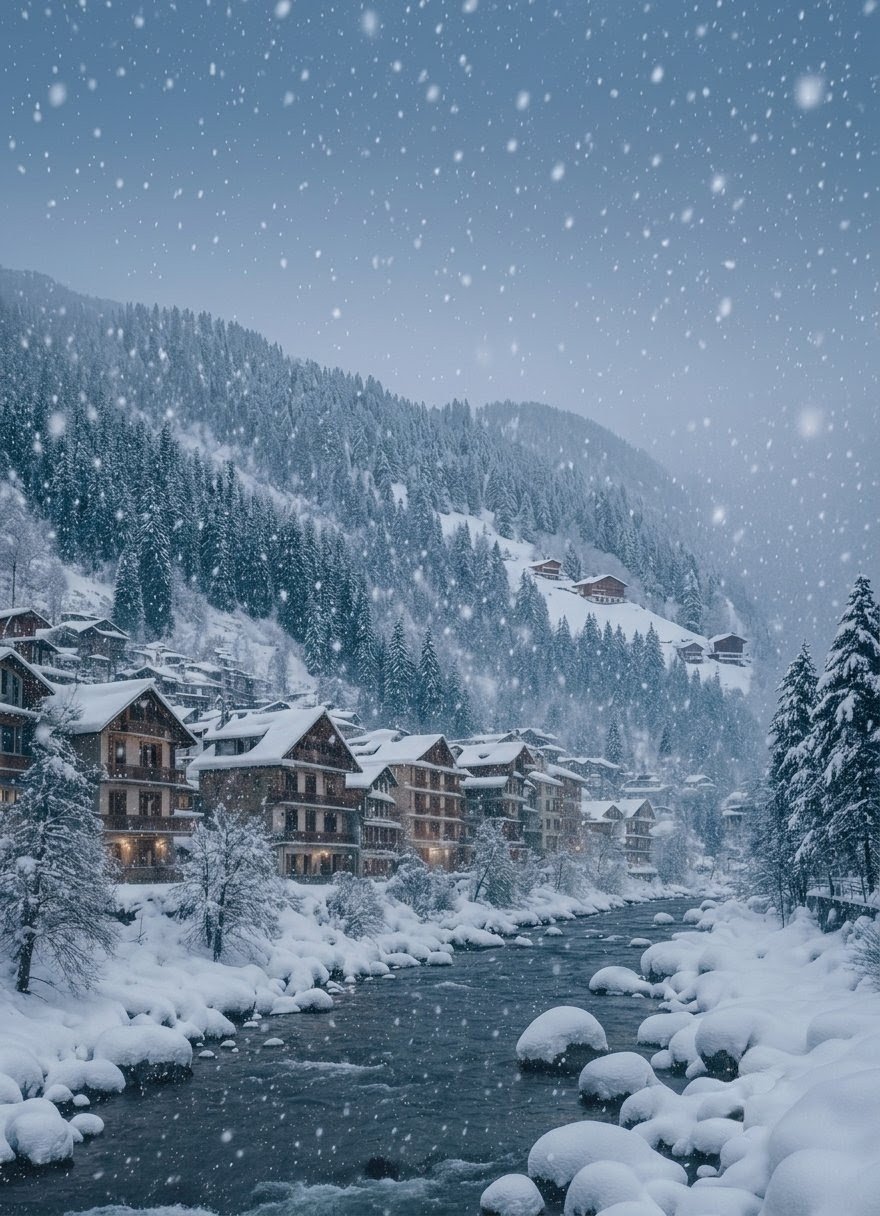
Winter transforms Kashmir into a magical snow wonderland. Temperatures often drop below freezing, especially in Gulmarg and Sonmarg, with Srinagar experiencing daytime temperatures between 2°C and 10°C. Snowfall usually begins in late December and continues through February, blanketing the valley in white. Dal Lake often partially freezes, creating a surreal, dreamlike setting.
Top Experiences in Winter
1. Snowfall in Gulmarg: One of Asia's top ski destinations, Gulmarg receives heavy snowfall, making it perfect for skiing, snowboarding, and gondola rides on the famous Gulmarg Gondola.
2. Snow Activities: Sledging, snowman-building, and snowball fights are popular family activities in Pahalgam and Gulmarg.
3. Cozy Houseboat Stays: Staying in a heated houseboat on Dal Lake while it snows outside is a uniquely romantic experience.
4. Fewer Crowds at Major Spots: Except during Christmas and New Year, winter sees comparatively fewer tourists, allowing for a more peaceful experience.
5. Photography Paradise: Snow-draped Chinar trees, frozen lakes, and misty mornings create incredible photo opportunities.
Who Should Visit in Winter?
Winter is ideal for:
1. Couples seeking a romantic, snowy honeymoon
2. Adventure enthusiasts interested in skiing and snowboarding
3. Travelers who love snow but have never experienced it
4. Photographers looking for dramatic winter landscapes
Things to Keep in Mind
1. Heavy snowfall can occasionally disrupt road travel, especially routes leading to Sonmarg and Pahalgam.
2. You'll need heavy woolens, thermal wear, and waterproof boots.
3. Some higher-altitude attractions may be inaccessible due to snow closures.
4. Flights can get delayed during heavy snowfall, so keep buffer days in your itinerary.
Top Experiences in Winter
1. Snowfall in Gulmarg: One of Asia's top ski destinations, Gulmarg receives heavy snowfall, making it perfect for skiing, snowboarding, and gondola rides on the famous Gulmarg Gondola.
2. Snow Activities: Sledging, snowman-building, and snowball fights are popular family activities in Pahalgam and Gulmarg.
3. Cozy Houseboat Stays: Staying in a heated houseboat on Dal Lake while it snows outside is a uniquely romantic experience.
4. Fewer Crowds at Major Spots: Except during Christmas and New Year, winter sees comparatively fewer tourists, allowing for a more peaceful experience.
5. Photography Paradise: Snow-draped Chinar trees, frozen lakes, and misty mornings create incredible photo opportunities.
Kashmir in Summer (April to June)
Weather and Landscape
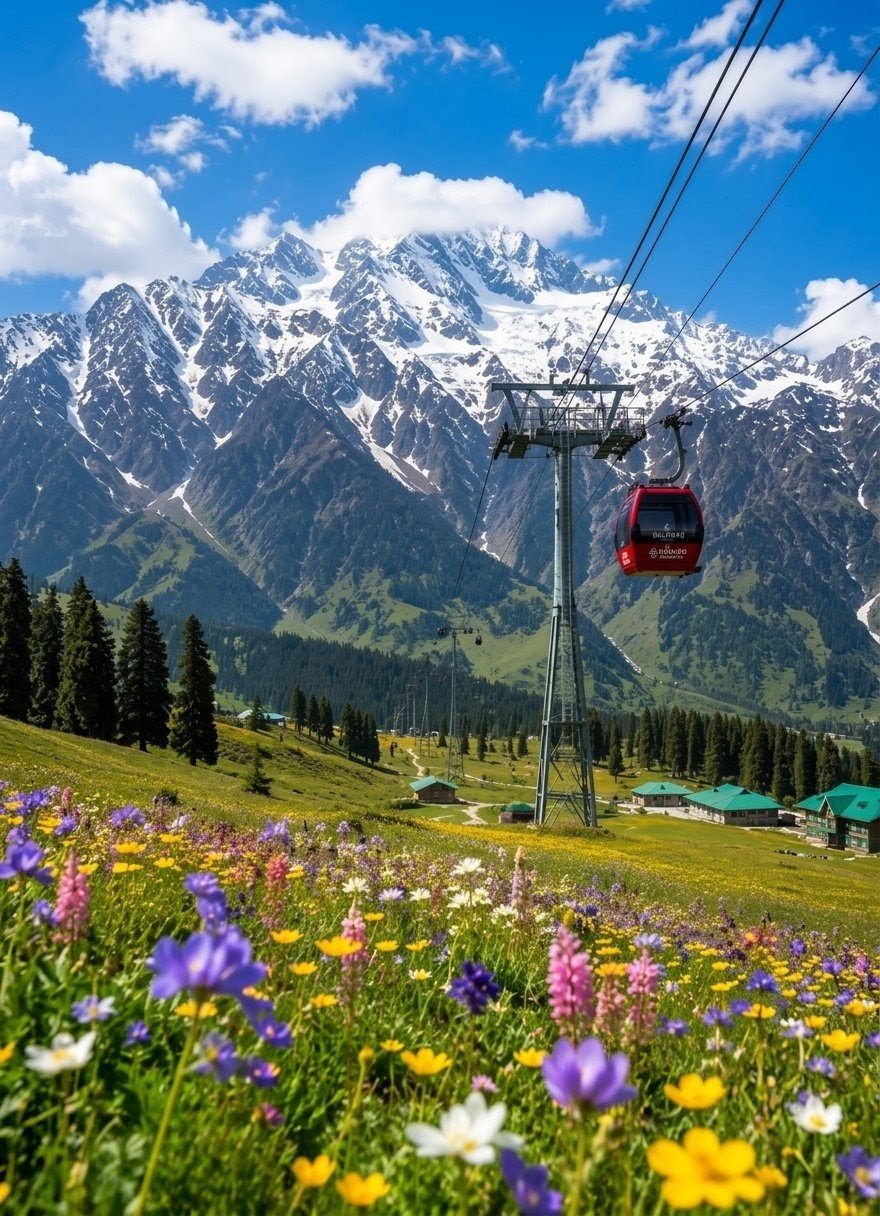
Summer is Kashmir's most popular season, and for good reason. Temperatures range from a pleasant 15°C to 30°C, offering relief from the scorching heat found in most parts of India. The valley bursts into color, with tulip gardens in full bloom during April, followed by lush green meadows and clear blue skies through May and June.
Top Experiences in Summer
1. Tulip Garden Festival: Asia's largest tulip garden in Srinagar blooms in a riot of colors during late March and April, drawing visitors from around the world.
2. Shikara Rides on Dal Lake: Gliding across the calm waters of Dal Lake in a traditional shikara is a quintessential Kashmir experience, best enjoyed in pleasant summer weather.
3. Trekking in Pahalgam and Sonmarg: Summer opens up trekking routes to Aru Valley, Betaab Valley, and Thajiwas Glacier, which are otherwise snowbound in winter.
4. Mughal Gardens: Nishat Bagh and Shalimar Bagh look their most vibrant during summer, with manicured lawns and blooming flowers.
5. Pony Rides and Meadows: Gulmarg's meadows are perfect for pony rides and leisurely walks amidst rolling green hills.
Who Should Visit in Summer?
Summer is ideal for :
1. Families traveling with young children or elderly members
2. Trekkers and outdoor adventure lovers
3. Travelers wanting to escape the heat of the plains
4. Those who prefer greenery and pleasant weather over snow
Things to Keep in Mind
1. Summer is peak tourist season, so expect larger crowds at popular spots like Dal Lake and Gulmarg.
2. Hotel and houseboat prices are typically higher due to high demand.
3. Book accommodations and travel tickets well in advance, especially for May and June.
Kashmir Winter vs Summer: Detailed Comparison
1. Weather Comfort
If you enjoy cold weather and snow, winter is unbeatable. But if you prefer moderate temperatures without freezing conditions, summer is far more comfortable for extended outdoor activities.
2. Activities and Experiences
Winter is all about snow-based adventures like skiing and sledging, while summer opens up trekking, boating, and garden visits that are inaccessible during the snowy months.
3. Budget Considerations
Winter (excluding the New Year period) generally offers better deals on hotels and houseboats. Summer, being peak season, comes with higher prices across flights, stays, and local transport.
4. Accessibility
Summer offers easier accessibility to remote valleys and higher-altitude locations, as roads remain clear of snow. Winter can sometimes restrict travel to certain areas due to heavy snowfall.
5. Crowd Levels
Summer sees significantly more tourists, particularly during school vacations in May and June. Winter, apart from the Christmas-New Year rush, is comparatively quieter.
6. Photography and Scenery
Both seasons offer stunning yet contrasting visuals, winter delivers dramatic snowscapes, while summer showcases vibrant greenery and colorful gardens. The choice depends on your aesthetic preference.
Best Time to Visit Kashmir Based on Your Travel Goals
For a Snow Experience
Visit between late December and February to experience heavy snowfall, especially in Gulmarg and Sonmarg.
For Trekking and Outdoor Adventure
Visit between May and June, when trekking routes to Aru Valley, Betaab Valley, and Thajiwas Glacier are open
For a Peaceful, Budget-Friendly Trip
Visit in January or February (avoiding New Year week) for lower prices and fewer crowds.
For Garden and Floral Views
Visit in April, when the Tulip Garden and Mughal Gardens are in full bloom.
For a Honeymoon
Both seasons work beautifully, winter offers a cozy, romantic setting with snowfall, while summer provides scenic boat rides and pleasant weather for outdoor exploration.
Packing Tips for Both Seasons
Winter Packing Essentials:
1. Heavy woolen jackets and thermal inners
2. Waterproof snow boots and gloves
3. Woolen caps and scarves
4. Moisturizer for dry, cold weather
Summer Packing Essentials:
1. Light woolens for cooler evenings
2. Comfortable walking shoes for sightseeing and trekking
3. Sunscreen and sunglasses
4. A light jacket for higher-altitude areas like Gulmarg and Sonmarg
Conclusion
There's no single "better" season to visit Kashmir, it truly depends on the kind of experience you're looking for. Choose winter if you dream of snowfall, skiing, and cozy houseboat evenings surrounded by white landscapes. Choose summer if you prefer pleasant weather, blooming gardens, and access to trekking trails and scenic meadows.
Whichever season you pick, Kashmir promises breathtaking beauty and unforgettable memories. Still unsure which season suits your travel plans? Reach out to our travel experts at Vaya Online, and we'll help you design the perfect Kashmir itinerary tailored to your preferences.
Frequently Asked Questions
Q1: Is Kashmir better in winter or summer for a honeymoon?
Both seasons are excellent for honeymoons, winter offers a romantic snowy setting, while summer provides pleasant weather for boat rides and garden visits.
Q2: Can you see snow in Kashmir in summer?
Yes, higher-altitude areas like Sonmarg and parts of Gulmarg may retain patches of snow even in early summer, though the valley itself remains green.
Q3: Which month has the heaviest snowfall in Kashmir?
January typically sees the heaviest snowfall, especially in Gulmarg and Sonmarg.
Q4: Is Kashmir safe to visit in winter?
Yes, Kashmir is generally safe to visit in winter, though travelers should check weather advisories as heavy snowfall can occasionally disrupt road and flight travel.
Q5: What is the cheapest season to visit Kashmir?
January and February (excluding the New Year period) usually offer the most budget-friendly rates on hotels and travel packages.